

Hairball coughing, or coughing that sounds similar, in dogs has multiple causes: hairballs, kennel cough, chronic bronchitis, tracheal collapse, or heart disease. Contact the vet if your dog coughs or sounds like a honking goose as it’s rarely a hairball.
Hairballs are not as common in dogs as they are in cats as dogs don’t spend much time grooming themselves. Dogs that cough hairballs make a specific sound, much like a honking goose.
If you hear that particular sound often, it means your dog is suffering from a medical condition, and you need to go to the vet.
In this article, you will learn about the causes of hairball cough, what you can do, and more.
Why Does My Dog Sound Like It Has a Hairball?
There are multiple to why dogs sound like they have a hairball stuck in their throat. These include harmless conditions, such as a hairball or foreign object, less severe conditions (kennel cough, heart disease), or severe conditions (chronic bronchitis or tracheal collapse). The safest thing to do is to go to the vet with your dog if it coughs often or sounds like it has a hairball stuck in its throat.
1. Hairballs

Dogs lick dead hair and dirt off their bodies. This ends up in their digestive system and is naturally eliminated with their feces or vomited as hairballs.[1]
But dogs rarely eliminate hairballs, unlike cats.
In some cases, hairballs can cause gastrointestinal obstructions because they cannot pass through the digestive tract.
When the hairballs are eliminated through vomiting, it may seem like your dog is gagging or coughing and sounds like a honking goose. There are usually no other symptoms associated with hairballs.
The most at-risk dogs are breeds with long fur and those with a dense undercoat as they can easily develop hairballs (trichobezoars) that can block their digestive tract.
Short-haired dogs can also have such problems, especially during intense shedding and illness, when they lose a greater amount of fur. Some dogs care excessively about their hygiene, leading to hair accumulation in the stomach and intestines.
There is no need to worry if you see a hairball after your dog coughs or gags. If you don’t notice a hairball and your dog gags and coughs often, take it to a vet as soon as possible.
2. Foreign Objects
Bone fragments, fish bones, sticks, pieces of toys, and other objects can get stuck in your dog’s throat. To clear its throat, your dog will gag and cough, like it is trying to eliminate a hairball.
If there is no hairball after your pet coughs and gags, look in its mouth for any foreign object. Remove it if you can access it easily. If not, contact the vet.
3. Kennel Cough

The primary symptom of kennel cough is a dry and hoarse cough. Dogs who are sick sound like honking geese.
Kennel cough is a respiratory infection that generally occurs in areas with many dogs, such as shelters, kennels, and doggie daycares.
This disease is caused by both viruses and bacteria, the most common pathogen being the bacterium Bordetella bronchiseptica.[2] Kennel cough is highly contagious and transmitted through respiratory droplets (cough and sneeze), so keep your dog away from sick dogs.
To protect your dog from kennel cough, you can vaccinate it regularly against this bacterium. The vaccine does not offer protection against other pathogens.
Related Article: How Do Dogs Get Kennel Cough?
4. Chronic Bronchitis

Bronchitis is a disease of the lower respiratory tract that causes coughing and other symptoms. Treatment often depends on the cause of the disease.
Bronchitis is a term that describes inflammation of the airways called bronchi (the lower airways inside the lungs).[3] Because it almost always corresponds to inflammation of the trachea, it is sometimes called tracheobronchitis.
Bronchitis can also affect dogs’ lungs, called bronchopneumonia.
In many cases, bronchitis is a chronic, long-term condition caused by allergies or airway hypersensitivity.
Symptoms of chronic bronchitis in dogs include:
- Coughing
- Gasping
- Vomiting state
- Dogs spit up foamy material or mucus (it can be mistaken for vomiting)
- Sneezing
- Nasal discharge
- Watery eyes
- Breathing problems
- Fever
- Exercise intolerance or worsening of symptoms when dogs are exercising
- Difficulty breathing or increased breathing rate
- Loss of appetite
- Lethargy
Take your pet to the vet as soon as possible if you notice these symptoms.
5. Tracheal Collapse

Tracheal collapse is most common in middle-aged to elderly dogs. The diagnosis is suggested by a dry cough accelerated by activity, agitation, or by drinking water.
Tracheal collapse occurs as a result of the weakening of the tracheal cartilage. The trachea consists of U-shaped rings joined by a membrane. When the rings lose their strength and the rigidity or membrane becomes weakened, the trachea will flatten when dogs try to draw air into their lungs.[4]
Symptoms of tracheal collapse in dogs include:
- Dry cough
- Panting
- Respiratory failure
- Cyanosis (blue mucous membranes due to lack of oxygen in the blood)
- Abdominal/diaphragmatic breathing
The most affected breeds are:
- Yorkshire
- Bichon
- Pekingese
- Miniature poodle
- Dachshund
- Chihuahua
Complications of this disease include lung problems, heart disease and/or heart failure, enlarged liver, and chronic kidney failure. Both dental infections and other infections and obesity aggravate the disease.
Call the vet if you have a small breed dog that developed these symptoms.
6. Heart Disease
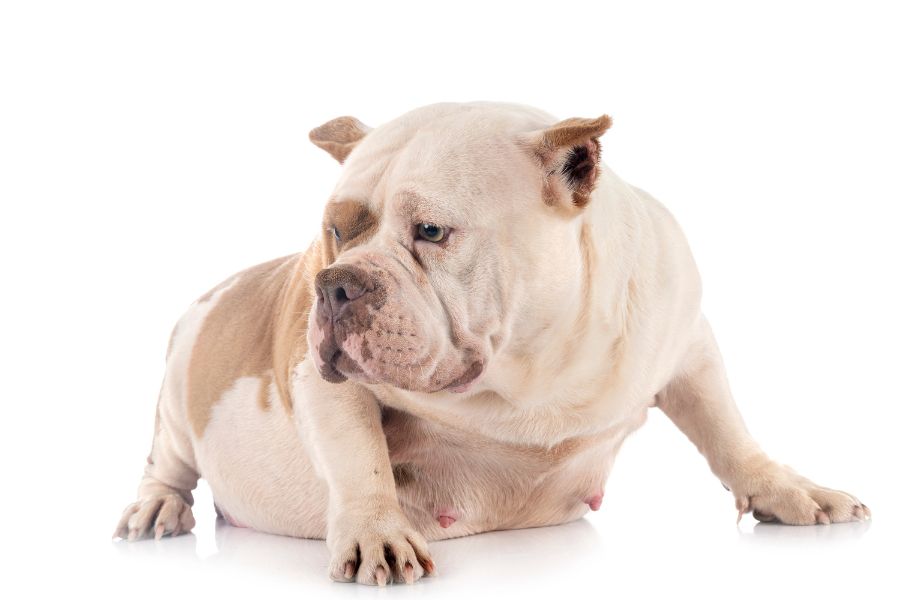
Heart disease can cause dry cough in dogs that often sound like they want to eliminate a hairball.
There is a multitude of predisposing factors that can cause heart disease in dogs:
- Obesity
- Old age
- Heartworms
- Pulmonary diseases
In heart diseases, coughing (often called cardiac or heart cough) appears after the slightest effort and even when the dog is at rest. Other symptoms include:
- Panting
- Coughing up blood
- Enlarged abdomen
- Breathing difficulties
- Increased heart rate
- Collapse
Contact your vet if your dog shows these symptoms.


